
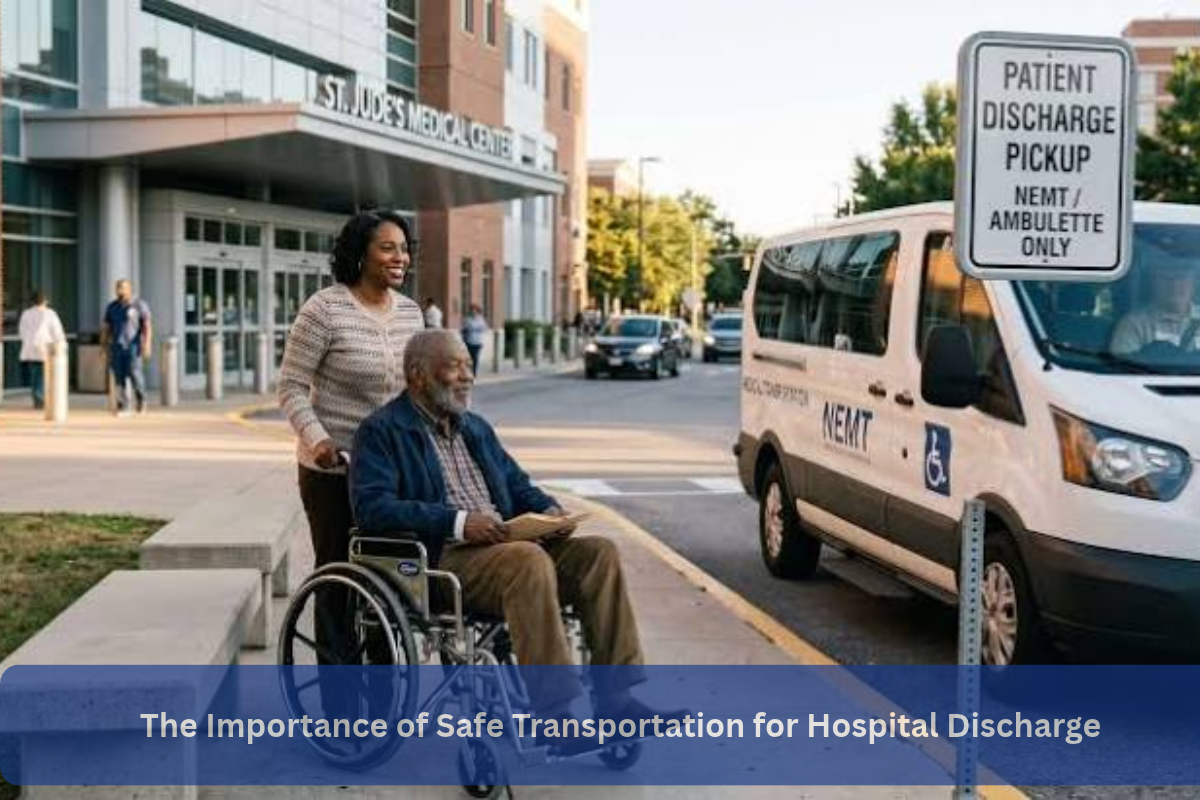
Leaving the hospital is an important step in the recovery process, but getting home safely is just as important as receiving proper medical care. Many patients need additional support after surgery, an injury, an illness, or an extended hospital stay. Even when a patient is medically cleared for discharge, traveling without the right assistance can create unnecessary discomfort, stress, and safety concerns.
Safe transportation for hospital discharge helps patients move from the hospital to their homes, rehabilitation centers, nursing facilities, or other care locations with greater comfort and support. For seniors, individuals with mobility challenges, and patients who use wheelchairs, professional transportation can make this transition much easier.
Non-emergency medical transportation (NEMT) services provide a practical solution for patients who do not require an ambulance but still need assistance traveling safely. Understanding the importance of hospital discharge transportation can help patients and families make better decisions during the recovery process.
1. Ensuring a Safe Transition from Hospital to Home
Hospital discharge does not always mean a patient is ready to travel independently. Some individuals may still experience weakness, dizziness, limited mobility, or discomfort after medical treatment. Getting into a regular vehicle, sitting for an extended period, or stepping out without assistance may be difficult.
Professional hospital discharge transportation helps reduce these challenges by providing appropriate travel arrangements based on the patient’s mobility needs. Patients can receive assistance during boarding, seating, and exiting the vehicle.
A safe and comfortable ride helps make the transition from the hospital to home more manageable while allowing patients to focus on their recovery.
2. Supporting Patients with Limited Mobility
Many patients experience temporary or long-term mobility limitations following surgery, injuries, or medical conditions. Some may need a wheelchair, while others may require physical assistance when entering or leaving a vehicle.
Regular transportation options may not provide the space, accessibility, or support these passengers need.
Wheelchair transportation services offer an accessible solution for individuals who cannot comfortably transfer into a standard vehicle. Properly equipped vehicles can accommodate wheelchairs and provide secure positioning during travel.
For patients who can walk but need some assistance, ambulatory transportation may be a suitable option. Choosing transportation based on the patient’s physical condition helps make hospital discharge safer and more convenient.
3. Reducing Physical Discomfort During Travel
Patients recovering from medical procedures may experience pain, fatigue, stiffness, or sensitivity to movement. Even a short journey can become uncomfortable if the vehicle is not suitable for their needs.
Professional non-emergency medical transportation helps patients travel in a more comfortable environment. Appropriate seating, accessible vehicle entry, and assistance with getting settled can reduce unnecessary physical strain.
Families should consider the patient’s condition before arranging transportation. For example, someone recovering from knee surgery may need extra room for their leg, while another patient may require wheelchair accessibility.
A transportation provider should be informed about any special mobility requirements before the trip so the appropriate arrangements can be made.
4. Providing Reliable Transportation for Seniors
Older adults often need additional assistance when leaving a hospital. Age-related mobility limitations, reduced balance, and general weakness can make independent travel challenging.
For seniors living alone or with family members who cannot always provide transportation, professional senior transportation services can be especially helpful.
A reliable transportation provider helps seniors travel between hospitals, homes, rehabilitation facilities, and other care locations. Assistance with entering and exiting the vehicle can also make the experience less stressful.
Safe transportation allows older adults to maintain greater independence while ensuring they have support during an important stage of their recovery.
5. Making Wheelchair and Bariatric Transportation More Accessible
Not every patient can travel using a standard passenger vehicle. Individuals who use wheelchairs or require additional space may need specialized transportation arrangements.
Wheelchair-accessible vehicles are designed to accommodate passengers who remain in their wheelchairs during travel. Depending on the vehicle, accessibility features may include ramps or lifts and wheelchair securement systems.
Bariatric transportation is another important option for passengers who need additional space and appropriate equipment because of their size or mobility requirements.
Before scheduling a hospital discharge ride, families should communicate the passenger’s needs, including wheelchair dimensions, weight requirements, and any additional assistance needed. This helps the transportation provider determine whether the vehicle is appropriate.
6. Helping Families Manage Hospital Discharge
Hospital discharge can involve several responsibilities for family members. They may need to collect prescriptions, understand discharge instructions, arrange follow-up appointments, and prepare the patient’s home for recovery.
Organizing transportation on top of these responsibilities can become overwhelming, particularly when family members have work commitments or limited access to a suitable vehicle.
Professional medical transportation provides another option for families who need help arranging a patient’s journey home.
Scheduling the ride in advance can make the discharge process more organized. Families can focus on important recovery-related responsibilities instead of worrying about how the patient will travel.
It is still important to coordinate the transportation arrangements with hospital staff and confirm that the patient’s condition is suitable for the planned type of vehicle and level of assistance.
7. Supporting Transportation to Rehabilitation Facilities
Some patients are discharged from the hospital but need additional treatment or rehabilitation before returning home. They may need to travel to a rehabilitation center, skilled nursing facility, or another healthcare location.
These trips can be difficult for patients who have recently undergone surgery or experienced a serious illness.
Non-emergency medical transportation offers a convenient way to arrange these journeys when an ambulance is not medically necessary. Patients with mobility limitations can benefit from wheelchair or ambulatory transportation, depending on their individual needs.
Reliable transportation also helps families coordinate care between different facilities without relying entirely on personal vehicles.
8. Improving Comfort During Follow-Up Medical Visits
Hospital discharge is often followed by medical appointments, physical therapy sessions, specialist consultations, or other healthcare visits. Patients may need transportation several times during the first few weeks of recovery.
Driving independently may not be recommended immediately after certain procedures or treatments. Some patients may also experience fatigue or difficulty walking long distances.
Professional medical transportation can help patients reach follow-up appointments without depending on public transportation or navigating difficult travel arrangements.
Having a dependable transportation plan can make it easier to manage ongoing healthcare needs and maintain a consistent recovery routine.
9. Choosing the Right Hospital Discharge Transportation Provider
Selecting the right transportation provider is an important part of planning a safe hospital discharge. Not every transportation company offers the same vehicles, accessibility features, or level of passenger assistance.
Before booking a ride, consider the following factors:
- Vehicle Accessibility: Make sure the provider offers wheelchair-accessible or ambulatory transportation when needed.
- Passenger Assistance: Ask what assistance is available during boarding, exiting, and the journey.
- Experience: Look for a provider experienced in transporting seniors and individuals with mobility limitations.
- Reliability: Choose a company that communicates clearly about scheduling and pickup arrangements.
- Special Requirements: Explain any mobility concerns, wheelchair dimensions, or additional space requirements in advance.
- Service Area: Confirm that the provider covers the pickup and drop-off locations.
- Pricing: Request clear information about transportation costs before confirming the trip.
It is also important to understand that non-emergency medical transportation is not a substitute for emergency medical services. Patients who require medical monitoring or emergency care during travel may need a higher level of transportation support.
10. Why Planning Ahead Makes Hospital Discharge Easier
Hospital discharge can sometimes happen with limited notice, making transportation planning challenging. However, arranging a ride as early as possible can help prevent unnecessary delays.
Families should speak with hospital discharge planners about the expected discharge time and transportation requirements. They should also confirm the patient’s destination and communicate any special instructions to the transportation provider.
Some helpful planning steps include:
- Confirm the expected hospital discharge date and time.
- Identify whether the patient needs wheelchair or ambulatory transportation.
- Share relevant mobility and accessibility requirements.
- Confirm the pickup location and destination.
- Arrange any necessary assistance at the destination.
- Keep important discharge paperwork and personal belongings ready.
Planning ahead helps everyone involved understand their responsibilities and makes the transportation process more organized.
11. The Role of Non-Emergency Medical Transportation in Patient Recovery
Transportation is an important part of the healthcare experience, especially for patients who need additional support after leaving a hospital. Without suitable transportation, individuals may face unnecessary difficulties reaching home, rehabilitation centers, and follow-up appointments.
Non-emergency medical transportation helps address these challenges by offering travel options for people who cannot easily use traditional transportation.
Whether someone needs wheelchair transportation, bariatric transportation, ambulatory assistance, or a ride to a rehabilitation facility, selecting an appropriate service can make everyday travel more manageable.
Although transportation alone does not determine recovery outcomes, a dependable travel arrangement can reduce logistical stress and help patients access the care and support they need.
Conclusion
Safe transportation for hospital discharge is an important consideration for patients, families, and healthcare providers. After a hospital stay, individuals may need additional assistance because of limited mobility, physical discomfort, age-related challenges, or recovery from surgery.
Professional non-emergency medical transportation offers practical travel solutions for patients who do not require an ambulance but cannot comfortably travel using ordinary transportation. From wheelchair-accessible vehicles to ambulatory and bariatric transportation, the right service can make the journey home or to another care facility more comfortable and convenient.
PM Transports provides transportation solutions for individuals who need assistance traveling to healthcare-related destinations. Serving Ocean County and Monmouth County, NJ, PM Transports helps passengers arrange transportation based on their mobility needs. Contact PM Transports to learn more about available transportation options and plan your next medical transportation trip.