
Reliable transportation is an important part of maintaining independence and managing everyday responsibilities. For individuals with disabilities, however, traveling from one place to another can involve additional challenges. Limited mobility, difficulty walking, wheelchair accessibility, and the need for physical assistance can make ordinary transportation options less convenient.
Whether someone needs to attend a medical appointment, visit a rehabilitation center, go shopping, or spend time with family, having access to suitable transportation can make everyday activities easier.
Door-to-door transportation provides a convenient solution for individuals who need assistance traveling between their homes and destinations. Instead of requiring passengers to navigate multiple stops or walk long distances to reach transportation, this service helps make the journey more accessible and manageable.
For individuals with disabilities in Ocean County and Monmouth County, NJ, non-emergency medical transportation (NEMT) services can provide valuable support. Understanding the benefits of door-to-door transportation can help individuals and their families choose an option that meets their mobility needs.
1. Making Everyday Travel More Accessible
One of the biggest advantages of door-to-door transportation is improved accessibility. Traditional transportation options may require passengers to walk to bus stops, navigate crowded stations, climb steps, or transfer between different vehicles.
These activities can be difficult for individuals with physical disabilities or limited mobility.
Door-to-door transportation reduces some of these challenges by arranging pickup and drop-off at designated locations, such as a passenger’s home and destination.
This can make traveling to healthcare facilities, shopping centers, rehabilitation centers, and other locations more convenient.
For individuals who have difficulty navigating public transportation, having a planned ride can make everyday travel less stressful.
2. Supporting Individuals Who Use Wheelchairs
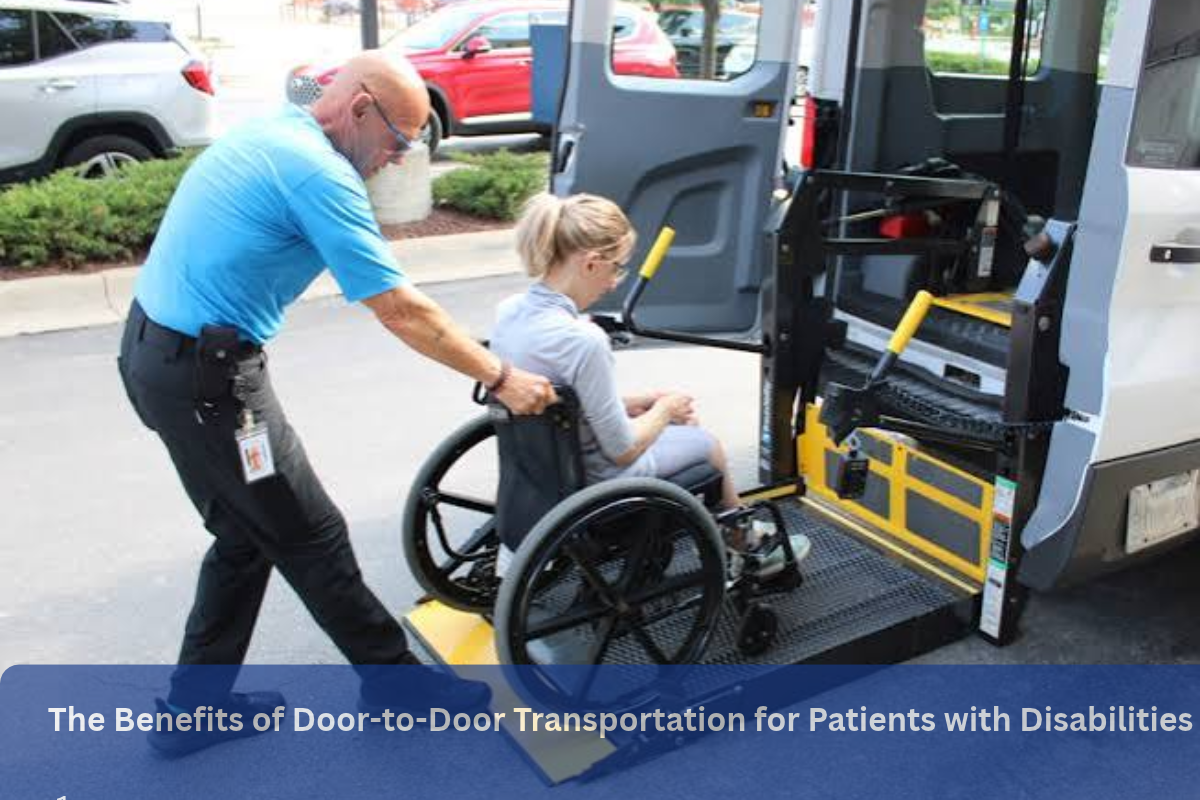
People who use wheelchairs often require transportation with specific accessibility features. Standard passenger vehicles may not have enough space or the necessary equipment to accommodate a wheelchair safely.
Wheelchair-accessible transportation provides an alternative for passengers who need to remain in their wheelchairs during travel.
Depending on the vehicle, accessibility features may include:
- Wheelchair ramps or lifts
- Additional interior space
- Wheelchair securement systems
- Accessible entry and exit arrangements
- Space designed for passenger comfort
These features help accommodate passengers with different mobility requirements.
Before scheduling a ride, passengers or family members should share the wheelchair’s dimensions and any additional accessibility needs. This allows the transportation provider to determine whether the vehicle is suitable.
3. Reducing Physical Strain During Travel
Traveling can require considerable physical effort for individuals with disabilities. Walking long distances, transferring between vehicles, climbing steps, and getting into standard cars may cause discomfort or fatigue.
Door-to-door transportation helps reduce the need for unnecessary movement during a journey.
Passengers can arrange pickup closer to their homes and be transported directly to their intended destinations. This can be particularly helpful for individuals who experience limited stamina, balance difficulties, or physical discomfort.
Reducing these additional travel demands can make transportation more manageable and allow passengers to focus on their daily activities.
4. Making Medical Appointments Easier to Attend
Individuals with disabilities may need regular medical appointments, specialist consultations, physical therapy, and other healthcare services.
Arranging transportation for these visits can become challenging, especially when family members or caregivers have busy schedules.
Non-emergency medical transportation offers a practical option for individuals who need assistance reaching healthcare facilities but do not require an ambulance.
Door-to-door transportation can help passengers travel to:
- Primary care appointments
- Specialist consultations
- Physical therapy sessions
- Rehabilitation facilities
- Dialysis appointments
- Hospital visits
- Routine medical checkups
Having reliable transportation available makes it easier to organize medical visits and plan travel around appointment schedules.
5. Providing Greater Independence and Flexibility
Independence is important for individuals with disabilities. Being able to attend appointments, visit friends, and complete personal errands without depending entirely on others can improve everyday convenience.
However, transportation challenges may limit these opportunities.
Door-to-door transportation provides another option for individuals who cannot easily drive or use public transportation. Instead of arranging every trip around a family member’s availability, passengers can schedule transportation according to their needs.
This flexibility can make it easier to participate in everyday activities while maintaining greater control over personal schedules.
Although some passengers may still need assistance from caregivers, accessible transportation can reduce their dependence on others for arranging every journey.
6. Reducing Stress for Family Members and Caregivers
Family members and caregivers often help individuals with disabilities manage transportation. They may need to coordinate medical appointments, shopping trips, rehabilitation visits, and other daily activities.
While this support is valuable, arranging every journey can become difficult when caregivers have work commitments or other responsibilities.
Professional door-to-door transportation provides an additional option for managing these travel needs.
Families can arrange suitable transportation in advance and communicate the passenger’s mobility requirements to the provider.
This can help reduce scheduling pressure and make it easier to organize daily responsibilities. It also allows caregivers to focus on other aspects of supporting their loved ones.
7. Supporting Ambulatory Passengers
Not every individual with a disability uses a wheelchair. Some passengers can walk independently but may need additional assistance when entering or exiting vehicles.
Others may have difficulty standing for extended periods or walking long distances.
Ambulatory transportation is designed for passengers who can walk but may benefit from some assistance during travel.
This option can be helpful for individuals recovering from injuries, older adults with mobility limitations, and passengers who have difficulty using standard transportation.
When booking a ride, passengers should explain their specific needs so the transportation provider can determine whether ambulatory service is appropriate.
8. Making Long-Distance Medical Travel More Convenient
Some individuals need to travel outside their immediate neighborhood for specialist appointments, rehabilitation, or other healthcare services.
Long-distance journeys can become particularly challenging for passengers with disabilities. Extended periods of sitting, limited vehicle accessibility, and difficult transfers may make the experience uncomfortable.
Door-to-door transportation can simplify these journeys by providing a planned pickup and drop-off arrangement.
Before booking long-distance transportation, passengers should discuss the travel distance, expected journey time, mobility requirements, and any necessary stops with the provider.
Proper planning helps ensure that the transportation arrangements are suitable for the passenger’s needs.
9. Improving Access to Social and Community Activities
Transportation is not only important for healthcare. It also helps individuals with disabilities maintain relationships and participate in their communities.
Without accessible transportation, visiting friends, attending family celebrations, and participating in community activities can become difficult.
Door-to-door services make it easier to arrange trips to different destinations without relying entirely on public transportation or personal vehicles.
Individuals may use these services to travel to:
- Family gatherings
- Community events
- Social activities
- Shopping centers
- Religious services
- Personal appointments
- Recreational destinations
Access to reliable transportation can help individuals remain socially connected and participate more actively in everyday life.
10. Choosing the Right Door-to-Door Transportation Provider
Selecting an appropriate transportation provider is essential for passengers with disabilities. Different individuals have different mobility requirements, so it is important to choose a service that matches their needs.
Here are some factors to consider before booking:
Vehicle Accessibility: Confirm that the provider offers wheelchair-accessible vehicles if required.
Passenger Assistance: Ask what assistance is available during pickup, boarding, and drop-off.
Experience: Look for a provider familiar with transporting passengers with mobility challenges.
Scheduling: Choose a company that communicates clearly about pickup times and travel arrangements.
Service Area: Confirm that the provider covers your pickup and destination locations.
Special Requirements: Explain wheelchair dimensions, mobility limitations, and any additional space requirements before booking.
Pricing: Request clear information about transportation costs and any additional charges.
Taking time to discuss these details can help passengers and families make informed transportation decisions.
11. Why Non-Emergency Medical Transportation Is a Practical Option
Non-emergency medical transportation is designed for individuals who need assistance traveling but do not require emergency medical care during the journey.
For people with disabilities, these services can provide transportation options that are more suitable than traditional travel arrangements.
Depending on availability and individual requirements, passengers may arrange wheelchair, ambulatory, or bariatric transportation.
These options help address different mobility needs and provide access to healthcare facilities, rehabilitation centers, and other destinations.
It is important to understand that NEMT does not replace ambulance services or provide medical monitoring unless specifically arranged through an appropriate medical transportation provider. Individuals who require medical care during travel should use a service equipped for their condition.
Conclusion
Door-to-door transportation offers important benefits for individuals with disabilities who need accessible and convenient travel options. From attending medical appointments and visiting rehabilitation centers to completing personal errands and participating in social activities, reliable transportation can make everyday life more manageable.
Wheelchair-accessible, ambulatory, and bariatric transportation options help accommodate passengers with different mobility requirements. These services can also reduce the pressure on family members and caregivers who regularly coordinate transportation.
For individuals in Ocean County and Monmouth County, NJ, PM Transports provides transportation solutions for passengers who need assistance getting to medical appointments and other destinations. Whether you require wheelchair transportation, ambulatory assistance, or another suitable travel arrangement, having a dependable transportation provider can make a meaningful difference.
Contact PM Transports to learn more about available non-emergency medical transportation services and arrange a ride that fits your needs.