
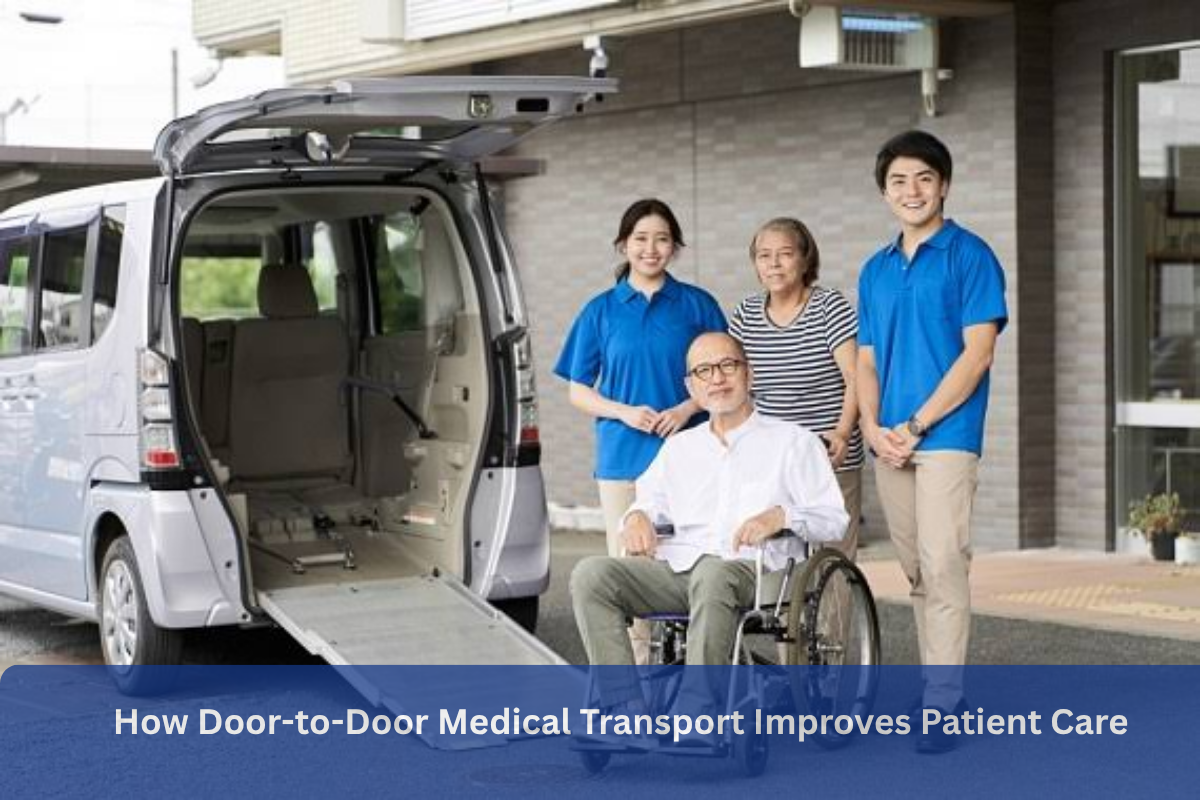
Getting to a medical appointment should never feel like a burden. Yet for many people, transportation is the biggest barrier to accessing healthcare. Seniors miss appointments because they cannot drive. Patients recovering from surgery struggle to sit through long public transit rides. Individuals with disabilities often face stress while arranging reliable transportation. That is exactly where door-to-door medical transport changes lives.
Today, healthcare is not only about treatment inside hospitals or clinics. It also includes how patients safely arrive at those facilities. Reliable transportation directly affects health outcomes, patient confidence, emotional well-being, and treatment consistency. When people can travel comfortably and on time, they are more likely to attend appointments, follow medical advice, and stay engaged in their healthcare journey.
Door-to-door medical transportation offers a practical and compassionate solution. Unlike traditional rideshare options, these services are designed specifically for healthcare-related needs. Drivers understand patient challenges, vehicles support mobility equipment, and the overall experience feels safer and more personal. From elderly patients to people with temporary injuries, everyone benefits from dependable transportation support.
Moreover, healthcare providers also gain advantages. Missed appointments decrease, treatment plans improve, and communication becomes smoother. In many ways, transportation serves as a bridge to better health outcomes for patients.
If you are searching for reliable and professional transportation support, services like PM Transports help patients travel safely, comfortably, and stress-free.
Why Transportation Matters More Than Ever in Healthcare
Many people underestimate how transportation affects healthcare access. However, studies consistently show that missed appointments often occur because patients lack reliable transportation. Even the best doctors and treatment plans cannot help if patients never arrive.
Door-to-door medical transportation removes this barrier. Instead of worrying about parking, bus schedules, or finding assistance, patients can focus entirely on their health. That peace of mind creates a better experience before the appointment even begins.
Healthcare access improves dramatically when transportation becomes simple and dependable. Patients feel less anxiety, caregivers experience less pressure, and families gain reassurance knowing their loved ones travel safely.
Some key transportation challenges patients face include:
- Limited mobility
- Chronic health conditions
- Lack of personal vehicles
- Difficulty using public transportation
- Post-surgery movement restrictions
- Transportation anxiety
- Long-distance specialist appointments
- Weather-related travel concerns
Fortunately, modern NEMT services address these problems with patient-focused solutions designed with comfort and safety in mind.
Door-to-Door Service Creates a Stress-Free Experience
One major advantage of door-to-door transportation is convenience. Patients no longer need to navigate crowded parking lots or walk long distances from curbside drop-off locations. Instead, trained drivers assist them from their doorstep to the entrance of the healthcare facility.
This personalized support matters more than many people realize. Seniors, individuals with disabilities, and patients recovering from procedures often struggle with mobility. Even a short walk can feel exhausting or unsafe.
Additionally, stress reduction plays a huge role in patient wellness. Medical appointments already create anxiety for many people. Transportation complications only make things worse. Door-to-door services simplify the process and help patients feel calm and supported.
Benefits of stress-free transportation include:
- Better emotional well-being
- Reduced appointment anxiety
- Improved punctuality
- Safer mobility assistance
- Increased patient confidence
- Easier coordination for caregivers
Because of these advantages, many healthcare providers now recommend specialized patient transportation solutions for vulnerable patients.
Better Appointment Attendance Improves Health Outcomes
Missing appointments may seem minor, but repeated absences can seriously affect long-term health. Patients who skip follow-ups often experience delayed diagnoses, worsening conditions, and unnecessary hospital visits.
Door-to-door transportation significantly reduces missed appointments. Reliable scheduling helps patients consistently attend:
- Dialysis sessions
- Physical therapy
- Chemotherapy treatments
- Routine checkups
- Specialist consultations
- Rehabilitation programs
Consistency is critical in healthcare. Patients who maintain regular appointments often recover faster and manage chronic illnesses more effectively.
Furthermore, healthcare facilities benefit too. Fewer no-shows improve scheduling efficiency and reduce wasted resources. Clinics can operate more smoothly when patients arrive on time and prepared.
Reliable non-emergency transport services support both patients and healthcare systems by creating a more organized and dependable care process.
Seniors Gain Independence and Confidence
Transportation challenges affect seniors more than almost any other group. Many older adults eventually stop driving due to vision issues, medication side effects, or physical limitations. Unfortunately, losing transportation often leads to isolation and missed medical care.
Door-to-door senior transport restores independence. Seniors can attend appointments, visit therapy centers, and maintain regular healthcare routines without depending entirely on family members.
This independence also supports mental health. Older adults often feel frustrated when they lose mobility. Reliable transportation gives them greater control over daily life and healthcare decisions.
Important benefits for seniors include:
- Increased independence
- Reduced caregiver reliance
- Safer travel conditions
- More consistent healthcare access
- Better social engagement
- Improved emotional well-being
Additionally, trained drivers understand how to assist elderly passengers respectfully and patiently. That human connection creates a more compassionate healthcare experience overall.
Wheelchair Transportation Enhances Accessibility
Accessibility should never limit healthcare access. Yet many transportation methods fail to properly accommodate wheelchairs and mobility equipment.
Professional wheelchair transport services solve this issue with specially equipped vehicles designed for safety and comfort. These vehicles include ramps, lifts, secure wheelchair restraints, and spacious interiors that make travel easier for patients with mobility limitations.
More importantly, trained drivers know how to assist passengers safely during boarding and unloading. This reduces the risk of injury and ensures smoother transportation experiences.
Accessibility-focused transportation improves healthcare by:
- Supporting patients with disabilities
- Preventing unsafe transfers
- Reducing caregiver strain
- Increasing appointment reliability
- Promoting patient dignity
- Creating safer travel environments
Healthcare should be accessible to everyone. Reliable transportation helps make that possible.
Medical Shuttles Improve Community Healthcare Access
In many communities, transportation gaps prevent people from receiving timely medical care. Rural areas especially face limited public transportation options and long travel distances to healthcare facilities.
A dependable medical shuttle service can bridge these gaps. These services transport multiple patients efficiently while still maintaining safety and comfort standards.
Community-based transportation solutions offer several advantages:
- Lower transportation costs
- Increased healthcare accessibility
- Reduced hospital readmissions
- Better support for underserved communities
- Improved treatment consistency
Medical shuttles also support healthcare organizations by improving patient flow and reducing appointment disruptions. As healthcare systems continue evolving, transportation partnerships will likely become even more important.
Compassionate Drivers Make a Huge Difference
Transportation is not only about vehicles. Human interaction matters too.
Patients often feel vulnerable during medical trips. Some may experience pain, emotional stress, or physical discomfort. Compassionate drivers can dramatically improve the experience by offering patience, understanding, and respectful assistance.
Professional transportation teams receive specialized training to assist patients with diverse needs. They understand mobility challenges, appointment urgency, and patient safety protocols.
Qualities that matter most in medical transport drivers include:
- Patience
- Professionalism
- Communication skills
- Empathy
- Safety awareness
- Reliability
These human-centered qualities transform a routine ride into supportive care. Patients feel valued rather than rushed, which contributes positively to their overall healthcare experience.
Caregivers and Families Experience Relief
Family caregivers already juggle countless responsibilities. Managing transportation logistics on top of caregiving duties can quickly become overwhelming.
Door-to-door medical transportation significantly reduces this pressure. Families gain reassurance knowing their loved ones can travel safely without requiring constant coordination.
This support becomes especially important for working adults caring for aging parents or relatives with chronic illnesses. Professional transportation services help caregivers maintain balance while ensuring patients receive timely care.
Families benefit through:
- Reduced scheduling stress
- Less missed work time
- Increased peace of mind
- Safer transportation arrangements
- Reliable appointment support
Healthcare works best when both patients and caregivers have access to adequate support systems.
Accessible Medical Rides Support Long-Term Wellness
Healthcare should be proactive, not reactive. Consistent transportation encourages patients to maintain preventive care routines instead of waiting until conditions worsen.
Reliable, accessible medical rides help patients attend regular screenings, wellness exams, and therapy sessions before emergencies occur. This preventive approach improves long-term health outcomes while reducing expensive hospitalizations.
Transportation support also encourages better medication management and treatment compliance. Patients who attend appointments regularly often follow care plans more successfully.
Long-term wellness advantages include:
- Earlier diagnosis detection
- Better chronic disease management
- Reduced emergency room visits
- Stronger patient-provider relationships
- Improved recovery consistency
In many ways, transportation acts as a hidden but essential part of preventive healthcare.
Technology Is Making Medical Transport Even Better
Modern transportation companies now use technology to improve scheduling, communication, and reliability. Patients can receive ride reminders, appointment confirmations, and real-time updates that simplify the process even further.
Digital systems also help healthcare providers coordinate transportation more efficiently. This reduces delays and improves overall patient experiences.
Technology-driven improvements include:
- GPS tracking
- Automated scheduling
- Appointment reminders
- Real-time driver updates
- Faster communication
- Improved route efficiency
As healthcare technology advances, transportation services will continue becoming more personalized and responsive to patient needs.
Final Thoughts
Door-to-door medical transportation does far more than provide rides. It improves access to healthcare, supports patient dignity, reduces stress, and strengthens long-term wellness. From seniors and wheelchair users to patients managing chronic illnesses, reliable transportation creates meaningful improvements in daily healthcare experiences.
Most importantly, transportation helps patients stay connected to the care they need. When medical visits become easier and safer, patients are more likely to consistently prioritize their health.
Whether someone needs NEMT services, a dependable medical shuttle, compassionate senior transport, or safe wheelchair transport, choosing the right provider can make a major difference in healthcare outcomes.
Professional transportation services continue shaping a more accessible and patient-centered healthcare system for everyone.
FAQs
What is door-to-door medical transportation?
Door-to-door medical transportation helps patients travel safely from their home to medical appointments and back. Drivers assist in the trip to ensure comfort and safety.
Who can use non-emergency medical transportation?
People with mobility challenges, seniors, disabled individuals, post-surgery patients, and anyone needing reliable healthcare transportation can use non-emergency transport services.
Are wheelchair-accessible vehicles available?
Yes. Many providers offer specialized wheelchair transport vehicles equipped with ramps, lifts, and secure seating systems for safe travel.
How do NEMT services improve patient care?
NEMT services reduce missed appointments, improve treatment consistency, lower patient stress, and help people access healthcare more reliably.
Is medical transportation only for seniors?
No. Although senior transport is common, these services also support patients recovering from surgery, individuals with disabilities, and people needing regular medical treatments.