
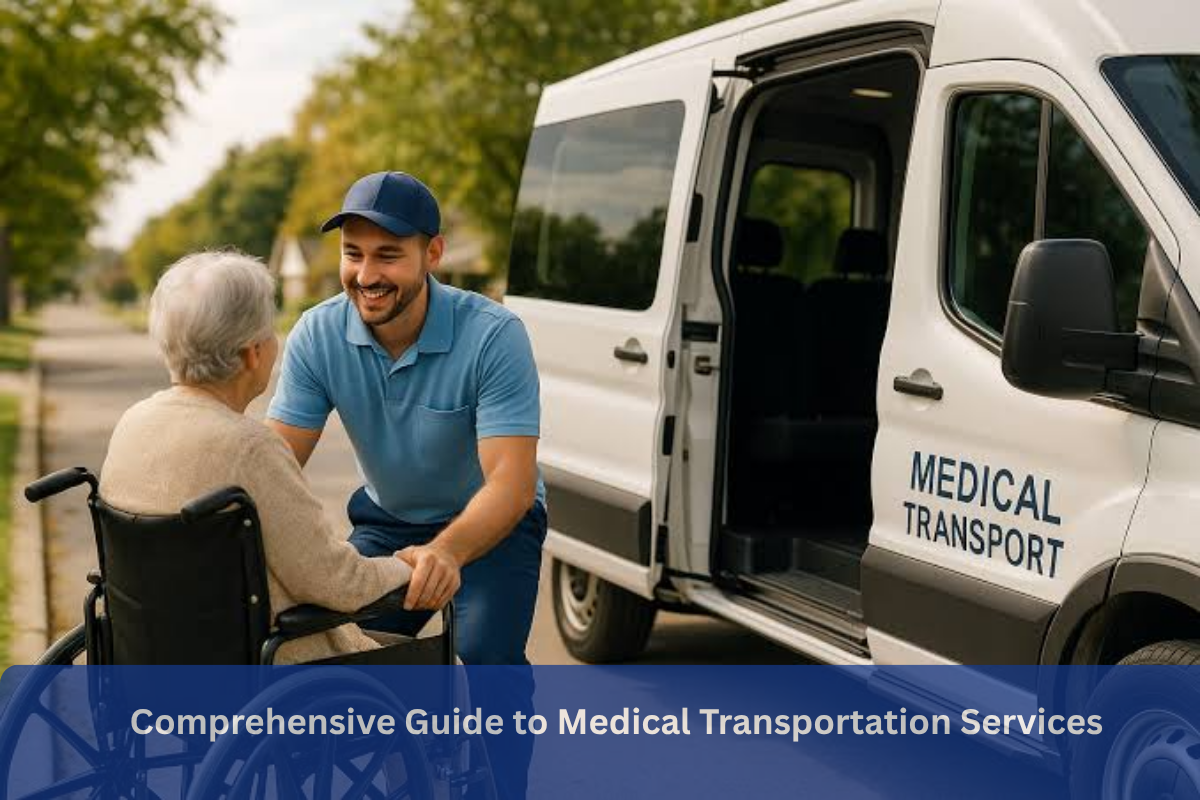
Getting to medical appointments isn’t always as simple as hopping in a car and driving across town. For many patients, seniors, or individuals with mobility challenges, transportation can actually be one of the biggest barriers to receiving consistent healthcare. That’s where medical transportation steps in and completely changes the game. Whether it’s a routine check-up, dialysis appointment, or post-surgery follow-up, reliable transport ensures patients arrive safely, on time, and stress-free.
In today’s fast-paced healthcare world, Medical Transportation is no longer just a convenience; it’s a necessity. From Non-emergency medical transport to specialized Wheelchair transportation, these services are designed to bridge the gap between patients and healthcare providers. In this guide, we’ll break everything down in a simple, practical, and human way so you can understand how it works, what options are available, and how to choose the right Patient transport services for your needs.
Understanding Medical Transportation Services Made Simple
Medical transportation services are designed to help patients get to and from medical appointments safely when regular travel isn’t an option. Unlike standard taxis or ride-shares, these services are specifically built around healthcare needs, comfort, and safety.
In everyday terms, this includes everything from basic rides for check-ups to specialized Ambulance non-emergency transport for patients who need medical monitoring but aren’t in critical condition. Many providers also operate as part of broader NEMT (Non-Emergency Medical Transportation) services, ensuring accessibility for seniors, disabled individuals, and patients with chronic conditions.
These services are widely used across the U.S., especially for individuals who rely on consistent access to healthcare but lack personal transportation. Providers focus on making this process smooth, reliable, and patient-friendly.
Types of Medical Transportation You Should Know
Not all medical transport is the same. In fact, there are several categories designed to meet different needs and medical conditions. Understanding them helps you choose the right option without confusion.
Here are the most common types:
- Non-emergency medical transport (NEMT services) for routine appointments
- Wheelchair transportation for individuals with mobility devices
- Ambulance non-emergency services for medically stable patients needing supervision
- Medical shuttle services for group or scheduled rides
- Basic Patient transport services for hospital discharge or outpatient visits
Each of these options is tailored to different levels of care. For example, a medical shuttle might be perfect for a senior going to regular check-ups, while a wheelchair-accessible van is essential for someone recovering from surgery.
Moreover, modern providers are now integrating technology for scheduling, tracking, and communication, making the entire process even more seamless and transparent.
Wheelchair & Special Mobility Transport Solutions
For individuals who use wheelchairs or mobility aids, transportation can feel overwhelming without adequate support. That’s exactly where Wheelchair transportation services step in with fully equipped vehicles and trained drivers.
These services use specially designed vans with ramps or hydraulic lifts, ensuring safe boarding and secure seating during travel. More importantly, drivers are trained to assist passengers with dignity, patience, and care.
In addition to wheelchairs, many providers also accommodate stretchers, walkers, and other mobility equipment. This level of flexibility ensures that patients are not left behind due to physical limitations.
In many cases, Non-emergency medical transport providers also coordinate with caregivers or family members to ensure a smooth door-to-door experience that prioritizes both safety and comfort.
Medicaid Transportation & Insurance Coverage Explained
One of the most important aspects of medical transportation is affordability. Fortunately, many individuals qualify for Medicaid transportation, which helps cover the cost of travel to approved medical appointments.
This benefit is especially useful for seniors, low-income families, and individuals with chronic illnesses who require frequent visits. Depending on eligibility, Medicaid may fully or partially cover NEMT services, making healthcare access more affordable.
Here’s what you should typically know:
- Coverage depends on your state’s Medicaid program
- Pre-approval is often required for non-emergency rides
- Transportation must be for medically necessary appointments
- Providers must be Medicaid-approved
In addition, some private insurance plans now include transportation benefits, especially for chronic care management. Always check your policy details before scheduling a ride.
Dialysis Transportation & Chronic Care Travel Needs
Patients undergoing dialysis or long-term treatment often need transportation multiple times a week. That’s where Dialysis transportation services become essential.
These services ensure patients never miss critical appointments by offering consistent scheduling, timely pickups, and comfortable rides. Since dialysis can be physically draining, transportation providers focus heavily on comfort, punctuality, and reliability.
Many companies offering Patient transport services also coordinate directly with dialysis centers, making scheduling much easier for patients and families. This reduces stress and ensures continuity of care.
Additionally, recurring medical trips, such as chemotherapy, rehabilitation, or physical therapy, are commonly covered under Medical Transportation programs, giving patients peace of mind and stability.
How to Choose Reliable Patient Transport Services
Choosing the right provider can make a huge difference in your overall healthcare experience. Not all transportation companies offer the same level of safety, professionalism, or comfort.
Before booking, consider these key factors:
- Licensing and certifications
- Driver training and medical awareness
- Vehicle safety and accessibility features
- Availability of Medical shuttle or private rides
- Experience in Non-emergency medical transport
- Customer reviews and reputation
A reliable provider will always prioritize patient dignity, punctuality, and clear communication. They should also offer flexible scheduling and emergency rescheduling options when needed.
For example, companies like Professional Medical Transport focus on dependable and compassionate service, ensuring patients feel supported throughout their journey.
Benefits of Medical Shuttle & Non-Emergency Transport
Using a Medical shuttle or structured transport service offers more than just a ride; it provides peace of mind. Patients and families can relax knowing that trained professionals are handling transportation safely.
Here are some major benefits:
- Reduces missed medical appointments
- Provides safe and assisted travel
- Lowers stress for caregivers and families
- Ensures punctual arrival for treatments
- Offers cost-effective transportation options
- Supports independence for patients
Additionally, Non-emergency medical transport improves healthcare outcomes by ensuring patients adhere to their treatment schedules. That consistency often leads to better recovery and long-term health stability.
Safety Standards, Booking Process & What to Expect
Safety is the backbone of all Medical Transportation services. Vehicles are regularly inspected, sanitized, and equipped with safety features like secure seating and emergency kits.
Booking a ride is usually simple. Most providers now offer online scheduling, phone bookings, or app-based systems for convenience.
Here’s what the typical process looks like:
- Schedule your ride in advance
- Provide appointment and medical details
- Confirm pickup time and location
- Receive driver and vehicle information
- Get transported safely to your destination
Many companies also provide real-time updates and customer support throughout the journey. This ensures transparency and reduces anxiety for patients and families.
Final Thoughts
At the end of the day, Medical Transportation is about more than just moving from point A to point B. It’s about dignity, independence, and access to essential healthcare services. Whether it’s Wheelchair transportation, Dialysis transportation, or general Patient transport services, these systems exist to support people when they need it most.
As healthcare continues to evolve, so does transportation. With advanced NEMT services, improved safety standards, and more accessible booking systems, patients now have more reliable options than ever before. The goal is simple: make healthcare accessible, comfortable, and stress-free for everyone.
If you or a loved one needs dependable transport, exploring trusted providers can be a great first step toward safer and more consistent care.
FAQs
1. What is Medical Transportation used for?
Medical transportation helps patients travel safely to healthcare appointments, including routine check-ups, therapies, and hospital visits.
2. What is the difference between NEMT services and ambulance transport?
NEMT services handle non-emergency trips, while ambulances are used for emergency or medically monitored situations.
3. Does Medicaid cover transportation services?
Yes, in many cases, Medicaid transportation covers approved medical trips, but eligibility varies by state.
4. Who can use Wheelchair transportation services?
Anyone with mobility challenges or who uses a wheelchair can use these services for safe, accessible travel.
5. How often can Dialysis transportation be scheduled?
It can be scheduled multiple times per week, depending on the patient’s treatment plan.