
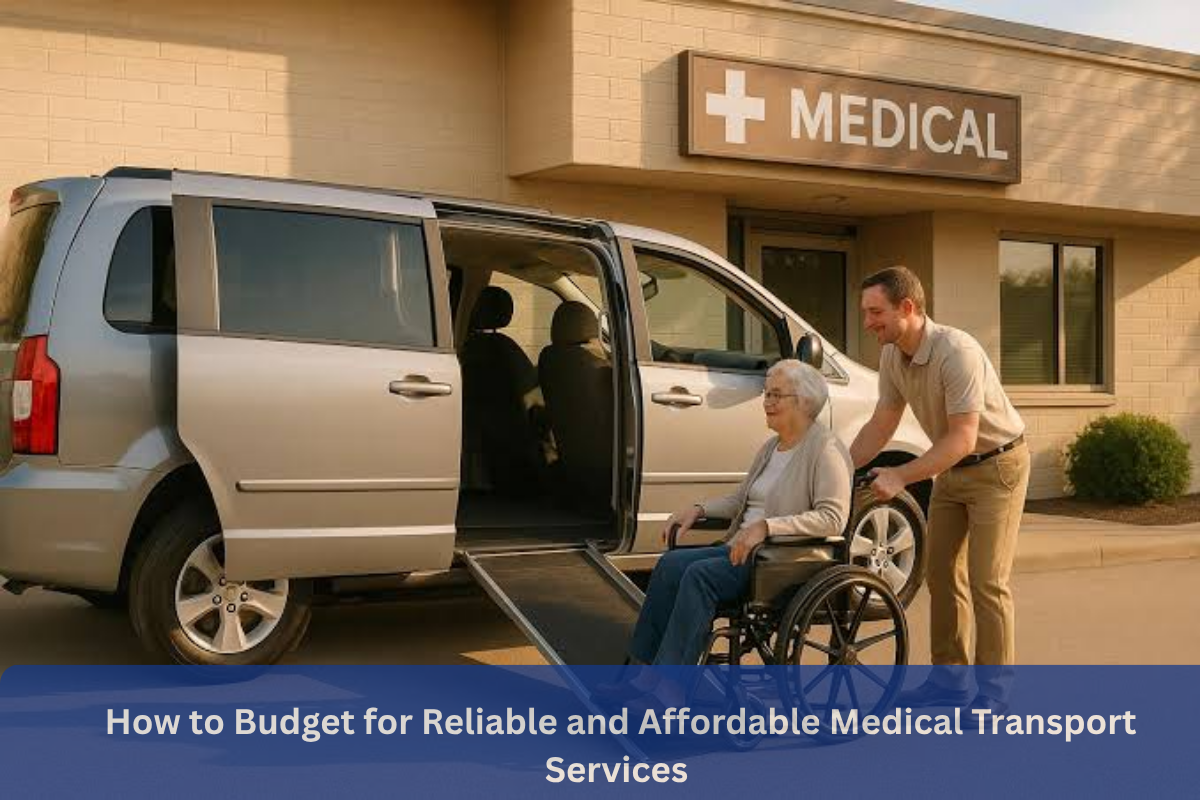
When you or a loved one needs regular rides to medical appointments, treatment centers, or rehabilitation clinics, transportation costs can add up fast. Many families underestimate how much they spend on fuel, parking, missed work hours, and specialized transportation support. That’s why learning how to budget for dependable medical transportation is more important than ever.
The good news is that you do not need to sacrifice comfort or safety just to save money. With the right planning, you can find affordable medical transport options that fit your healthcare needs and your monthly budget. Whether you need recurring rides for dialysis, physical therapy, doctor visits, or hospital discharges, there are practical ways to reduce expenses while still getting professional support.
Many people also assume that reliable medical rides are only available at premium rates. However, several providers now offer cheap NEMT services, discounted ride programs, and flexible payment options that make transportation more accessible. In fact, understanding the true non-emergency transport cost can help you avoid surprise expenses and make smarter financial decisions.
In this guide, you’ll discover actionable tips to budget effectively, compare transportation options, use insurance benefits wisely, and choose trustworthy providers without overspending. If you want dependable rides without draining your wallet, this article will help you create a realistic and stress-free transportation plan.
Understand What Medical Transportation Includes
Medical transportation is more than just getting from one location to another. Different services are designed for different medical needs, and understanding these categories helps you avoid paying for services you do not actually need.
For example, non-emergency medical transportation usually includes:
- Wheelchair-accessible rides
- Stretcher transportation
- Ambulatory patient rides
- Long-distance medical transport
- Hospital discharge transportation
- Dialysis transportation
- Senior transportation assistance
- Medical shuttle programs
Choosing the right type of service can instantly lower your expenses. Many families accidentally overspend because they book advanced medical vehicles when a simpler transport option would work perfectly.
Additionally, some companies specialize in budget medical rides for recurring appointments. These plans often include lower rates for weekly or monthly scheduling. If you need transportation regularly, ask providers about bundled pricing or recurring ride discounts.
You can also explore providers like PM Transports for dependable transportation solutions and service information.
Know the Factors That Affect Transportation Costs
Before building a transportation budget, it helps to understand what impacts pricing. Medical transportation rates are not random. Several key factors determine how much you will pay.
Here are the biggest cost factors:
- Distance traveled
- Type of vehicle required
- Patient mobility needs
- Time of day
- Emergency vs. non-emergency scheduling
- Weekend or holiday rides
- Waiting time charges
- Specialized medical equipment
For instance, economical wheelchair transport generally costs more than standard ambulatory rides because the vehicle requires accessibility equipment and trained staff. Similarly, long-distance transportation naturally increases fuel and staffing costs.
Another important factor is availability in your area. Urban regions often have more competition among transportation companies, which can lead to better pricing. Meanwhile, rural areas may have fewer providers and higher travel fees.
Once you understand these variables, you can compare services more accurately and avoid overpaying.
Create a Monthly Medical Transportation Budget
Budgeting becomes easier when you treat medical transportation like any other monthly expense. Instead of paying for rides randomly, create a dedicated transportation category within your healthcare budget.
Start by calculating:
- Number of appointments per month
- Average transportation cost per ride
- Monthly recurring transportation expenses
- Potential emergency ride needs
- Parking and fuel savings from using transport services
After estimating your monthly total, compare it to your current transportation spending. You may realize that professional low-cost patient transport is actually cheaper than driving yourself, especially when considering gas, parking fees, and vehicle maintenance.
It also helps to set aside a small emergency transportation fund. Medical schedules can change unexpectedly, and last-minute rides often cost more. Having a backup budget reduces stress during urgent situations.
A simple spreadsheet or budgeting app can make tracking transportation costs much easier. Over time, you will identify patterns and opportunities to save more money.
Compare Providers Before Booking Services
One of the smartest ways to save money is to compare multiple providers before committing to a service. Prices, vehicle quality, and customer support can vary significantly.
When researching providers, focus on these details:
- Licensing and certifications
- Insurance coverage
- Driver training
- Online reviews
- Pricing transparency
- Availability for recurring rides
- Wheelchair accessibility
- Customer service responsiveness
Do not automatically choose the cheapest option. Extremely low pricing sometimes means poor reliability or hidden fees. Instead, look for companies that balance affordability with professionalism.
Many transportation companies also offer discounted medical shuttle programs for seniors, veterans, and patients with recurring treatment schedules. Asking about promotions or loyalty discounts can help reduce long-term costs.
In addition, always request a written estimate before scheduling services. Transparent pricing helps prevent unexpected charges later.
Use Medicaid and Insurance Benefits Wisely
A surprising number of people overlook transportation benefits included in their healthcare coverage. Depending on your situation, insurance or government assistance programs may cover part or all of your transportation expenses.
For example, medical transport Medicaid programs often provide transportation assistance for eligible patients attending approved medical appointments. Coverage rules vary by state, but many people qualify without realizing it.
Here are common transportation support programs:
- Medicaid transportation benefits
- Veterans transportation assistance
- Medicare Advantage ride benefits
- Local senior assistance programs
- Nonprofit transportation support
- Community health transportation grants
Before paying out of pocket, contact your insurance provider and ask detailed questions about transportation reimbursement or approved transportation vendors.
Some transportation providers also help patients verify eligibility and complete required paperwork. Taking advantage of these programs can significantly lower your monthly transportation expenses.
Schedule Rides Strategically to Save Money
Timing plays a major role in transportation pricing. Strategic scheduling can help you secure lower rates and improve service availability.
Here are practical ways to reduce transportation expenses:
- Schedule recurring rides in advance
- Avoid last-minute bookings
- Combine multiple appointments in one day
- Travel during standard business hours
- Share rides when appropriate
- Choose nearby healthcare facilities when possible
Advance scheduling is especially important for cheap NEMT services because providers often reserve lower pricing for planned appointments.
If several family members require healthcare visits, coordinating appointments on the same day may also reduce transportation costs. Some providers offer discounted rates for grouped scheduling.
Additionally, ask transportation companies whether they offer subscription-style ride packages. Monthly transportation plans can provide predictable pricing and reduce financial surprises.
Focus on Reliability, Not Just Price
Saving money matters, but reliability matters even more. Missing medical appointments due to unreliable transportation can lead to worsened health conditions, delayed treatment, and additional medical costs.
That is why choosing dependable service should remain your top priority.
Reliable providers typically offer:
- On-time pickups
- Trained drivers
- Clean vehicles
- Real-time communication
- Proper patient assistance
- Safety-focused transportation procedures
While low-cost patient transport is valuable, the cheapest option is not always the safest or most dependable. A balanced approach helps you avoid costly medical complications caused by missed appointments.
It also helps to read customer testimonials carefully. Reviews often reveal whether a company consistently arrives on time and treats patients respectfully.
If possible, test a provider with a short ride before committing to long-term scheduling.
Explore Community and Nonprofit Transportation Resources
Many communities offer transportation assistance programs designed specifically for seniors, disabled individuals, and low-income patients.
These programs may include:
- Volunteer driver networks
- Faith-based transportation services
- County transportation assistance
- Community health center rides
- Senior center shuttle services
- Nonprofit patient transportation programs
These resources can dramatically reduce your transportation expenses, especially for recurring appointments.
Some nonprofit organizations even provide discounted medical shuttle services for patients receiving cancer treatment, dialysis, or rehabilitation care.
Local hospitals and healthcare centers often maintain lists of trusted transportation programs in the community. Asking a hospital social worker or patient coordinator for recommendations can uncover valuable financial assistance options.
Combining nonprofit support with affordable medical transport providers can create a much more manageable long-term healthcare budget.
Track Expenses and Adjust Your Budget Regularly
Your healthcare needs may change over time, so your transportation budget should remain flexible. Regularly reviewing expenses helps you identify unnecessary spending and discover better transportation options.
Keep track of:
- Ride frequency
- Average monthly transportation spending
- Insurance reimbursements
- Missed appointment costs
- Emergency transportation charges
- Discount program savings
Even small adjustments can create meaningful savings over the course of a year.
For example, switching from individual bookings to recurring scheduled rides may lower your total non-emergency transport cost significantly. Likewise, reviewing insurance updates annually can uncover new transportation benefits.
The more organized you are, the easier it becomes to maintain reliable transportation without financial stress.
Final Thoughts
Medical transportation should never become a financial burden that prevents patients from getting the care they need. With thoughtful planning, smart scheduling, and careful provider comparisons, you can build a transportation budget that supports both your health and your finances.
The key is to balance affordability with reliability. While everyone wants economical wheelchair transport and budget-friendly services, dependable care and safety should always remain priorities.
By understanding pricing factors, using available insurance benefits, exploring community programs, and booking services strategically, you can confidently manage transportation expenses without compromising quality.
Most importantly, remember that transportation is part of healthcare. Reliable rides lead to consistent appointments, better treatment outcomes, and reduced stress for patients and families alike.
If you are currently searching for affordable and professional transportation options, researching trusted providers early can save both time and money in the long run.
FAQs
How can I find affordable medical transport services near me?
Start by comparing local providers, checking insurance coverage, and asking healthcare facilities for recommendations. Many companies also offer discounted rates for recurring appointments.
Does Medicaid cover non-emergency medical transportation?
Yes, many states provide medical transport Medicaid benefits for eligible patients attending approved medical appointments. Coverage varies depending on your state and healthcare plan.
What is included in non-emergency medical transportation?
Non-emergency transportation may include wheelchair rides, stretcher transportation, ambulatory patient rides, hospital discharge transportation, and scheduled medical appointment transport.
Are cheap NEMT services reliable?
Some cheap NEMT services are highly reliable, but it is important to verify licensing, insurance, driver training, and customer reviews before booking.
How can seniors reduce medical transportation costs?
Seniors can reduce costs by using community shuttle programs, nonprofit transportation services, Medicare Advantage benefits, and recurring ride discounts.