
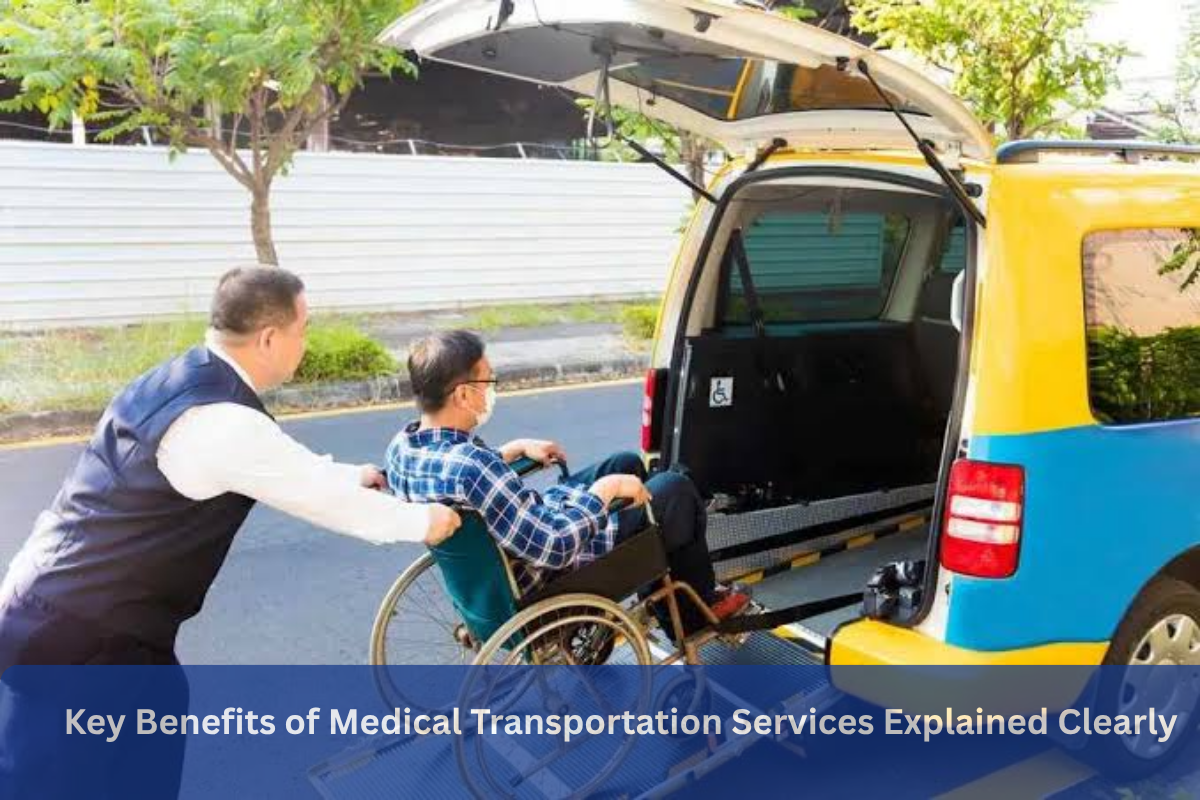
There are moments in life when getting to a medical appointment isn’t just about convenience; it’s about necessity. Yet not everyone has access to reliable transportation, especially when facing health challenges, mobility limitations, or chronic conditions. That’s where medical transportation services step in as a true lifeline. Whether it’s a routine checkup, a therapy session, or ongoing treatment, these services ensure patients reach their destination safely and on time.
In today’s fast-paced healthcare system, accessibility matters more than ever. Medical transportation bridges the gap between patients and providers, ensuring no one misses essential care simply because they couldn’t get a ride. From seniors to individuals with disabilities and even busy families, these services offer peace of mind and consistency. Let’s break down the real value behind this essential service and understand why it’s becoming such a critical part of modern healthcare support.
Making Healthcare Access Easier for Everyone
Medical transportation services are designed to remove barriers that prevent people from getting proper care. In many cases, patients delay or skip appointments due to a lack of transport, which can lead to worsening health conditions. However, with structured healthcare access rides, patients can travel without stress or uncertainty.
Moreover, these services are not just about driving from point A to point B. They are built around patient comfort, timing, and medical needs. As a result, individuals feel supported throughout their healthcare journey. This is especially important for those who rely on consistent treatment schedules like dialysis or physical therapy.
Additionally, families benefit significantly because they no longer need to constantly rearrange their schedules. Instead, trained drivers handle the logistics, allowing everyone to focus on what truly matters: healing and recovery.
Core Medical Transport Advantages You Should Know
When discussing the advantages of medical transport, it’s important to understand how comprehensive these services truly are. They go beyond basic transportation by offering structured, patient-centered care during travel. This includes timely pickups, trained drivers, and accessible vehicles.
Another key benefit is reliability. Patients don’t have to worry about cancellations or delays, which is often a concern with traditional transportation options. Instead, they can rely on consistent scheduling to support their treatment plans.
Here are some notable advantages that stand out:
- Door-to-door assistance for patients with mobility challenges
- Timely arrival for medical appointments
- Reduced risk of missed treatments
- Professional and trained drivers
- Comfortable and safe travel environment
In addition, non-emergency transport perks ensure that even patients who are not in critical condition still receive dependable support for their routine medical needs.
Medicaid Transportation and Financial Relief Options
One of the most impactful aspects of these services is Medicaid transportation support. Many eligible patients can access rides covered under Medicaid programs, significantly reducing out-of-pocket travel costs. This makes healthcare more affordable and accessible for low-income individuals and families.
Furthermore, this financial relief ensures that no patient has to choose between transportation and treatment. Instead, they can focus fully on recovery and preventive care without worrying about expenses. This is a major reason why NEMT benefits (Non-Emergency Medical Transportation benefits) are widely recognized across healthcare systems.
In addition, Medicaid-supported transportation services help reduce missed appointments, ultimately lowering long-term healthcare costs. When patients stay consistent with care, complications decrease, leading to healthier communities overall.
Comfort, Safety, and Real Patient Ride Benefits
When it comes to patient ride benefits, comfort and safety are at the center of everything. Medical vehicles are designed to accommodate different needs, whether it’s wheelchair access, extra seating space, or climate control for sensitive patients.
Drivers are trained to handle medical-related transportation with care and professionalism. This ensures that patients feel secure throughout the journey, even if they are dealing with pain or discomfort.
Here are some non-emergency transport perks that enhance the experience:
- Assisted boarding and exiting vehicles
- Clean, sanitized transport environment
- Gentle driving for patient comfort
- Trained staff for medical awareness
- Real-time scheduling updates
Additionally, these services provide emotional relief. Patients often feel less anxious knowing they are in safe hands, which contributes positively to their overall well-being.
Preventive Care Transport for Long-Term Wellness
Preventive care transport plays a huge role in improving long-term health outcomes. Many people only seek medical help when symptoms become severe, but regular checkups can prevent serious issues from developing in the first place.
With dependable transportation, patients are more likely to attend routine screenings, wellness visits, and follow-ups. This directly contributes to early detection of diseases and better treatment success rates.
Moreover, consistent access to preventive care reduces hospital admissions and emergency visits. In the long run, this benefits both patients and healthcare systems by lowering overall medical costs and improving quality of life.
Who Benefits Most from These Transportation Services
Medical transportation services are not limited to one group; they support a wide range of individuals. Seniors, disabled individuals, chronic illness patients, and even post-surgery recovery patients benefit greatly from these services.
Additionally, caregivers and family members also experience relief because they no longer need to handle every appointment trip. This reduces stress and allows families to focus more on emotional support rather than logistics.
Some of the most common beneficiaries include:
- Elderly individuals needing frequent medical visits
- Patients undergoing long-term treatments
- People with mobility or physical disabilities
- Individuals without personal transportation
- Patients requiring regular therapy sessions
As a result, these services create a more inclusive healthcare system where everyone has equal access to treatment.
Choosing a Reliable Medical Transportation Provider
Selecting the right provider is essential to ensuring quality care while traveling. A trusted service should offer punctuality, safety, trained staff, and proper vehicle maintenance. It should also prioritize patient comfort and communication at every step.
For example, companies like PM Transports focus on delivering structured and dependable medical transportation solutions that support patients throughout their healthcare journey. Choosing a reliable provider ensures peace of mind and consistent service quality.
Additionally, it’s always wise to check reviews, service availability, and coverage options before making a decision. Transparency and professionalism are key indicators of a dependable provider.
Final Thoughts
Medical transportation is more than just a convenience; it is a critical component of the healthcare support system. From improving access to care to reducing financial stress and ensuring patient safety, its impact is both wide and meaningful. Whether you’re exploring NEMT benefits or understanding Medicaid transportation options, one thing is clear: reliable transport saves lives by keeping patients connected to care.
As healthcare continues to evolve, services like these will only grow in importance. They ensure that no one is left behind due to transportation challenges. So, if you or a loved one needs consistent medical travel support, now is the time to explore your options and take action for better health outcomes.
Book your ride today and experience stress-free access to healthcare rides that truly make a difference.
FAQs
1. What are medical transportation services used for?
They are used to transport patients safely to and from medical appointments, especially those who cannot use regular transportation.
2. Are medical transportation services covered by Medicaid?
Yes, many eligible patients can access Medicaid transportation for approved medical visits.
3. What are the main NEMT benefits?
They include safe travel, reliable scheduling, fewer missed appointments, and improved access to healthcare.
4. Who can use non-emergency transport services?
Seniors, disabled individuals, and patients with ongoing medical needs commonly use these services.
5. Are these services safe for elderly patients?
Yes, vehicles and staff are trained to ensure comfort, safety, and assistance for elderly passengers.